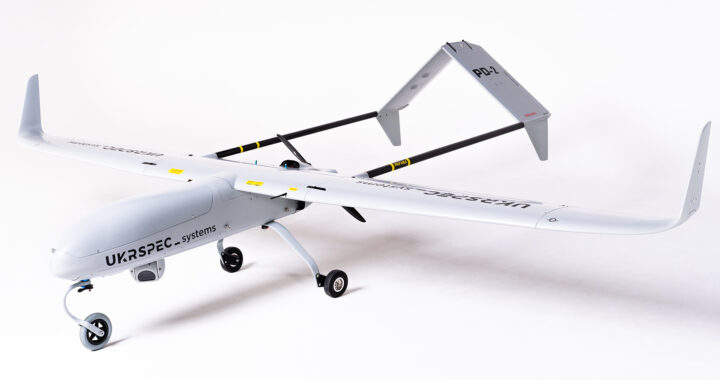
The use of video game mechanics, such as points, leaderboards, and immediate rewards, to incentivize lethal action has fundamentally changed the motivation and logistics of modern combat. While the system boosts efficiency and speeds up procurement, it raises profound ethical questions about the desensitization and dehumanization of warfare.
Drone Warfare Gamification: Inside the Army of Drones Bonus Program of Ukraine
The ongoing Russia-Ukraine War has tested the armed capabilities of Ukraine and has forced it to develop and deploy novel strategies and tactics to outclass the numerical and financial supremacy of the Russian armed forces. One of these is the program called the Army of Drone Bonus System that centers on drone warfare gamification.
Background
The Russia-Ukraine War has seen the use of drones in modern warfare. Ukraine has been launching numerous drone assaults on Russia to disrupt military logistics, degrade Russian morale, and counterbalance the numerical superiority of the Russian forces. One of its notable strikes to date was the Operation Spiderweb carried out on 1 June 2025.
Operation Spiderweb is one of the most complex covert military operations in history. It involved smuggling wooden containers deep in Russia containing remote-operated launch pads with small first-person-view assault drones. A total of 117 drones attacked Russian airbases and damaged aerial assets critical to the Russian nuclear triad strategy.
The broader drone strategy of Ukraine also includes its Army of Drones Bonus program. This is a dedicated program under its Ministry of Digital Transformation. It centers on the gamification of drone warfare via the application of core elements of video game design to military operations to boost motivation, operational effectiveness, and efficiency.
Note that the program was launched in July 2024 in partnership with the UNITED24 fundraising platform of Ukraine President Volodymyr Zelenskyy. It aligns with the need for rapid and agile use of technologies and has the goal of amassing a massive fleet of professional-grade drones. The point-earning component was launched in August 2025.
Mykhailo Fedorov, the Minister of Digital Transformation, headed the design of the drone warfare gamification program. He described it as the mathematics of war to underscore the need to shift or expand from traditional military doctrine to a data-driven, entrepreneurial, and some elements or principles of a decentralized model of modern warfare.
Mechanisms
Remember that the Army of Drones Bonus is a program that gamifies the military drone operations of Ukraine. It is akin to a real-life video game in which drone strikes are logged, and points are given to drone operators for completing tasks like destroying targets, intercepting threats, or aiding in military logistics. The collected points can be redeemed for upgrades.
Hence, due to the gamification, drone warfare works by incentivizing performance. The program is also intended to make operations more effective and efficient in terms of resource allocation and handling of needed military operations. The following are the important details that provide an overview of how the gamified drone warfare of Ukraine works:
• Points and Rewards System
Units of drone operators earn e-points for confirmed successful missions. The number of points depends on the type of target. Destroying a tank, artillery, or high-value military equipment earns more points than destroying an infantry unit.
Drone operators submit strike videos to a military network for review and verification. This makes drone-related operations akin to completing tasks. The game-style incentives also enable easier task or mission prioritization,
The accumulated points can be exchanged for new military equipment. These include more drones, electronic systems, and autonomous ground vehicles. The points are redeemed through the online marketplace called Brave1 Market.
• Competition and Motivation
The program features an internal leaderboard that ranks units based on their accrued points to foster competition between military units and incentivize them to be more effective and successful to secure better rewards and recognition.
All data collected from the point system provides real-time feedback on what strategies or tactics and what types of drones are most effective on the front line. This allows quicker strategy or tactic adaptation and procurement.
• Recruitment and Training
The use of first-person view drones, often controlled with equipment similar to video game controllers, has made the role naturally appealing to individuals with a background and relevant skillsets in computer and video games.
Many drone operators use high-end flight simulation software and first-person view drone racing games for initial training. This leverages existing gaming technology to prepare for combat and other real-world military applications.
The program is open to everyone who has the skillset. A person can apply to a particular unit and select from a list of several drone-related specialties. These include drone operators and engineers through the Diia government app.
• Deeper Military Integration
Note that the Army of Drones Bonus program works within the Delta system of the military services of the Ukrainian Armed Forces. The platform transforms raw video footage from the front line into verified combat data and points.
Delta is a battlefield management system that provides real-time battlefield or situational awareness, operational planning, and information sharing for the Ukrainian Armed Forces. It was developed by the Ministry of Defence.
Implications
The point system creates a feedback loop in which proven-effective drone teams receive more and better equipment. This shifts military resource allocation from centralized bureaucracy to a performance-based distribution. It also allows the rapid integration and deployment of new defense technologies to units that have proven most capable of using them.
Moreover, because points differ by target, the system can indirectly shape battlefield behavior. If infantry kills are rewarded higher than destroying armored vehicles, operators may prioritize easier targets rather than strategically critical ones. Military leadership can control how the operators and their units behave through the effective allocation of points.
The gamification of combat activities can also blur emotional boundaries to reduce the emotional impact or psychological weight normally associated with taking live and front-line operations. This means weakening emotional friction that can negatively impact on-field performance, critical decision-making, and overall battlefield or front-line behavior.
Moral implications are also emerging. While it could be true that the gamification of lethal combat could be effective at reducing emotional friction to improve operations, real destruction and deaths are turned into point-earning and reward-driven endeavors. This could lead to the dehumanization of armed conflict and detachment from traditional combat ethics.
Ukraine provides a real-time laboratory for future warfare. Other countries have been observing how gamification, decentralized units, and performance-based rewards improve efficiency. A successful model could inspire similar systems in other militaries and potentially reshape how armies view performance, motivation, and tactical autonomy.
FURTHER READINGS AND REFERENCES
- Digital State UA. 25 October 2025. “Ukraine’s Brave1 Market: How Units Trade Combat Points for Drones.” Digital State UA. Ministry of Digital Transformation of Ukraine. Available online
- Digital State UA. 15 October 2025. “Drone Bonus Program: How Ukraine Turns Battlefield Data Into Combat Tech.” Digital State UA. Ministry of Digital Transformation of Ukraine. Available online
- Ministry of Defence of Ukraine. 27 October 2025. “Through DOT-Chain Defence, the Military Will Be Receiving Ground Robotic Systems Under the ‘Army of Drones Bonus’ Program.” Ministry of Defence of Ukraine. Available online
- Ministry of Defence of Ukraine. 25 September 2025. “How the Military Can Obtain Equipment Through DOT-Chain Defence Under the ‘Army of Drones Bonus’ Program: Step-by-Step Guide.” Ministry of Defence of Ukraine. Available online
Photo Credit: DoroshenkoE / UAV UKRSPECSYSTEMS PD-2 / 2020 / Adapted / CC BY-SA 4.0 International