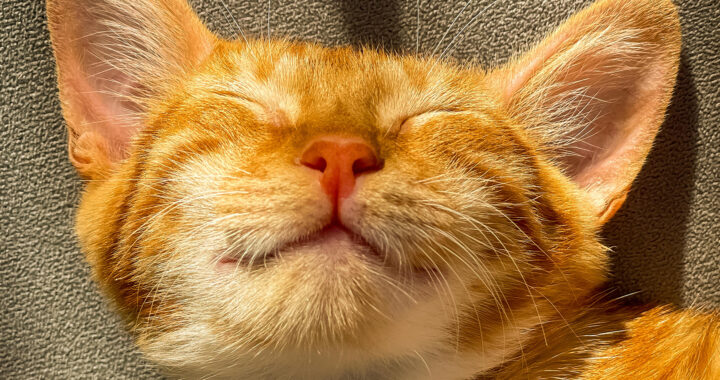
Cats are enigmatic and generally independent creatures. However, underneath what some would consider a stoic and cold exterior lies a rich tapestry of emotions that are communicated through subtle language. Understanding these signs helps not only in deepening your bond with your pet but also in assuring that they are thriving and contented.
Feline Contentment: Common Signs that Your Cat is Happy
From gentle tail flicks to melodic chirps and a healthy appetite, a content cat is always communicating. These subtle physical and vocal cues serve as a roadmap to their happiness, and proves that even the most stoic pets have plenty to say to us.
Body Language
The gesture, posture, and visible habits of cats serve as a primary window to their emotional state and overall well-being. Specific movements hint at a particular feeling. Observing visible cues offers a general understanding of their mood. Take note of the following:
• Question Mark Tail: A happy cat often walks around with their tail held straight up, sometimes with a little curl or hook at the very tip. If the tail quivers slightly when they see you, that is a sign of their extreme excitement and delight.
• Slow Blinks: When your cat looks at you and deliberately closes and then slowly opens its eyes, it is delivering what cat behaviorists call a cat kiss. Slow blinks tell about their high level of trust and deep contentment in your presence.
• Kneading: This rhythmic pawing, often called making biscuits, at a soft surface, as well as on your lap, chest, or back, is a leftover behavior from kittenhood. It means they feel as safe and comfortable as they did when they were nursing.
• Exposed Belly: When a cat flops over and shows you their stomach, it tells you that they feel a heightened sense of security. They are exposing their most vulnerable area because they see you as harmless and feel safe in your presence.
Vocalization
The melodic repertoire of a happy cat extends far beyond the simple meow. Through a variety of unique chirps and resonant vibrations, felines communicate their contentment audibly. These vocal patterns provide essential insights into their current state of blissful satisfaction:
The Trill or Chirp: This is a high-pitched, bird-like sound that some cats use as a friendly greeting. It often occurs when they want to get your attention or lead you somewhere. It is essentially them saying, “Oh, hey! I am glad you’re here.”
Consistent Purring: While cats can purr when stressed to self-soothe, a truly happy purr is deep, resonant, and consistent. It is often accompanied by a relaxed posture or other body language, like slow blinks or kneading gestures.
Chatter Behavior: Happy cats often engage in high-pitched, pleasant, and cheerful vocal exchanges as they follow you through your home. This is a clear sign that your pet feels secure and is an indicator that they value your companionship.
Healthy Habits
The daily routine of your cat also offers an insight into their underlying mental well-being. When a feline maintains consistent wellness habits, it reflects a life free from stress or ailments. Observing these patterns helps confirm that your pet is truly thriving under your care:
• Grooming: A happy cat keeps themselves clean and has a shiny coat. They might even try to groom you. Allogrooming or mutual grooming is a sign that your cat has accepted you as part of their family, and you are their long-term companion.
• Zoomies: Sudden bursts of energy where they race around the house are actually a great sign that your cat is happy. It shows they are healthy, physically fit, and feel playful. Note that not all cats, especially the older ones, are active and playful.
• Appetite: A cat that is excited for mealtime and eats with enthusiasm is generally a content and stress-free cat. Poor appetite can be a warning sign that a cat is unwell and signals pet owners that immediate medical attention is needed.
Social Behavior
The bond between a cat and a human or among cats is best expressed through their unique social interactions. When a cat chooses to engage with you or other cats, it shows deep emotional security. These shared moments confirm that your pet is comfortable with their environment:
• Head Bunting: When your cat rubs their forehead or cheeks against you or other cats they are familiar with, also called bunting, they are imparting a mark via their scent glands. This is their way of claiming you or other cats as part of their world.
• Social Sleeping: Choosing to sleep near you or in the same room, even if they are not touching you, shows they value your companionship and feel safe in your presence. While some cats prefer sleeping alone, isolation can also be a health warning.
FURTHER READINGS AND REFERENCES
- Demirbaş, Y. S., Kerman, K., Atılgan, D., Ünler, M., Yildirim, T., and Şimşek, S. 2025. “Greeting Vocalizations in Domestic Cats Are More Frequent With Male Caregivers.” Ethology. DOI: 1111/eth.70033
- Humphrey, T., Proops, L., Forman, J., Spooner, R., and McComb, K. 2020. “The Role of Cat Eye Narrowing Movements in Cat-Human Communication.” Scientific Reports. 10(1). DOI: 1038/s41598-020-73426-0
- Russo, D., Schild, A. B., and Knörnschild, M. 2025. “Meows Encode Less Individual Information than Purrs and Show Greater Variability in Domestic than in Wild Cats.” Scientific Reports. 15(1). DOI: 1038/s41598-025-31536-7